P&I guide · 9 min read
P&I claims: the process and the documents
Updated 5 November 2026
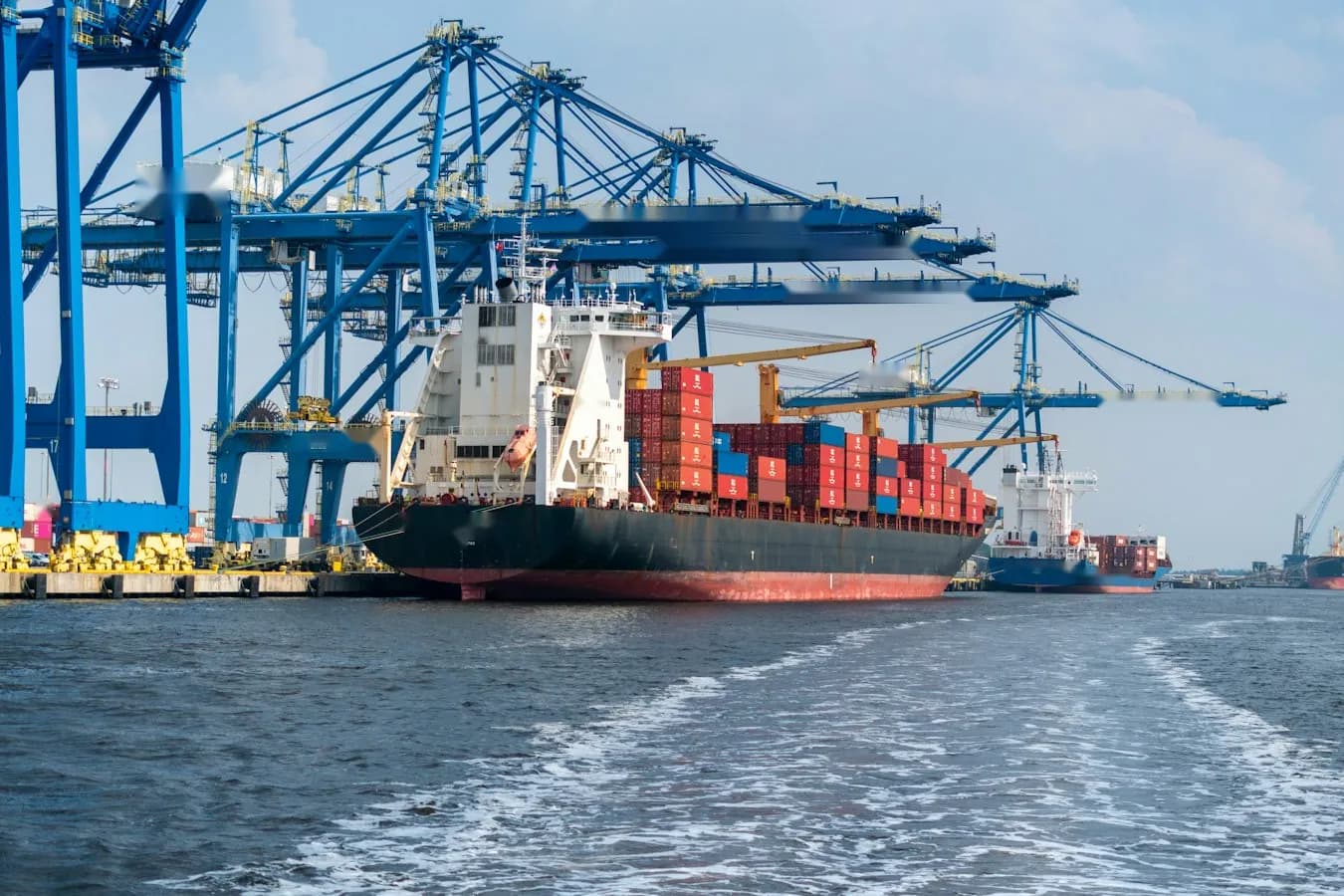
A P&I claim starts when a third party makes a claim against the shipowner, or when an incident could lead to one. The owner notifies the club, evidence is gathered, security may be given and the claim is settled or defended. This guide sets out the steps, the documents each step needs, who provides them and where files usually have gaps.
How a P&I claim file is built
P&I stands for protection and indemnity. A P&I club is a mutual association of shipowners. Its members insure each other's liabilities to third parties. A claim file in a P&I case grows in four steps. At notice, the owner reports the incident to the club. At investigation, the club, its correspondent and the owner gather the facts and the evidence. At security, a claimant may ask for security, for example by arresting the ship, and the club may give a letter of undertaking. At settlement, the claim is agreed or defended, the owner pays and the club reimburses under its rules.
The steps overlap. A claimant can arrest a ship before the investigation is finished, and new evidence can arrive after a settlement offer. A file that is complete for one step can still be incomplete for the next, so check each step separately.
Invented example. A container ship damages a quay crane during berthing. The master reports the contact to the owner. The owner notifies the club the same day. The club instructs its local correspondent, who attends the ship and the quay. The terminal sends a claim letter with a repair quotation. The port authority asks for security before the ship sails. The club issues a letter of undertaking. Later the terminal sends the final repair invoice, which is higher than the quotation. Each of these steps leaves at least one document in the file.
What P&I covers
P&I covers the shipowner's liabilities to third parties. Typical heads of cover are loss of or damage to cargo, injury, illness or death of crew and passengers, damage to fixed and floating objects such as quays, cranes and moored ships, the part of collision liability that the hull policy does not cover, pollution, wreck removal and fines. Many clubs also offer freight, demurrage and defence (FD&D) cover for the owner's own commercial disputes, often as a separate cover. Which risks, conditions and exclusions apply is set by the rules of the club and the certificate of entry.
Damage to the owner's own ship is not a P&I matter. It goes to the hull and machinery underwriters. Our guide on hull and machinery claims covers that side. A single casualty, for example a collision, can produce a claim under both policies.
A P&I claim step by step
- The master or the owner notifies the club of the incident, usually through the managers. The club's rules say what must be reported and when. Keep proof of the date.
- The club may appoint a local correspondent, and surveyors or lawyers where needed. They attend the ship, collect evidence and report to the club.
- The owner and crew preserve the records: logbooks, data recorder files, photographs and statements. See the checklist below.
- The claimant sends a claim with its supporting documents. The club and the owner check the claim against the evidence and the contract.
- If the claimant asks for security, or arrests the ship, the club decides whether to issue a letter of undertaking and on what terms.
- The club and the owner agree on how to proceed: pay, negotiate or defend. The owner does not admit liability or make payments without the club's agreement.
- On settlement the owner pays, and a receipt and release are agreed. The club reimburses the owner under its rules and returns any security.
- If the claim is large, the club may share it with other clubs under the International Group arrangements. If a third party may be liable for the loss, a recovery may follow.
The checklist by stage
| Document | Who provides it | What it shows | Stage |
|---|---|---|---|
| Notice of incident to the club | Owner or managers | Date, place and nature of the incident; when the club was told | Notice |
| Certificate of entry, club rules and deductible | Owner or club | The cover, its conditions and the deductible for this ship and year | All stages |
| Master's statement or report | Master | The master's account of events and the actions taken | Notice and investigation |
| Deck logbook extracts | Owner, from the ship | Positions, weather, manoeuvres and times recorded on the bridge | Investigation |
| Engine room logbook and alarm printouts | Owner, from the ship | Engine orders, alarms and failures around the incident | Investigation |
| Voyage data recorder (VDR) data, where fitted | Owner, from the ship | Recorded bridge data, saved before it is overwritten | Investigation |
| Crew statements | Officers and crew, collected by the owner, the correspondent or lawyers | First-hand accounts of the sequence of events | Investigation |
| Photographs and video | Crew, correspondent, surveyors | The condition of the damage, the cargo or the site | Investigation |
| Correspondent's reports | Local correspondent | Findings on site, contacts with the claimant and the authorities, next steps | Investigation |
| Surveyor's or expert's report | Surveyor or expert appointed by the club or the owner | Cause and extent of the damage, and the cost of repair | Investigation |
| Claim letter and supporting documents | Claimant | The amount claimed and the basis for it: invoices, quotations, medical reports, contracts | Investigation |
| Underlying contracts (bills of lading, charter party, towage contract) | Owner, charterer, claimant | The terms the claim rests on, including liability limits and time bars | Investigation |
| Arrest order or demand for security | Court or claimant | What the claimant asks for and the deadline | Security |
| Letter of undertaking and the claimant's acceptance | Club; claimant | The amount, wording and conditions of the security given | Security |
| Correspondence with lawyers and the claimant | Club, lawyers, owner | Positions taken, offers made and dates | Settlement |
| Settlement agreement, receipt and release | Parties, with the club | The agreed amount and the end of the claim; return of security | Settlement |
| Proof of payment by the owner | Owner | That the owner paid, with date and amount, before reimbursement | Settlement |
| Club's reimbursement and any pool notice | Club | What the club paid and, for large claims, how it is shared | Settlement |
Notice and first steps
Tell the club as soon as you become aware of an incident that could lead to a claim. Do not wait for the claim. Clubs say this in their guidance for members and correspondents, and the rules attach consequences to late notice. The club can then appoint a correspondent, secure evidence and advise on the first contacts with the claimant and the authorities.
- Notice with date, time and recipients, and the club's acknowledgement.
- Master's statement, signed and dated, limited to facts the master knows.
- Logbook extracts and VDR data saved at once, covering the time before and after the incident.
- Crew statements taken early, while recollection is fresh. Tell the crew not to speak for the owner or admit liability.
- Photographs with date and place, taken before any repair or clean-up.
Club rules generally require the member to consult the club before it admits liability, settles or gives an undertaking to a third party. See for example Gard's rule on payments and undertakings to third parties. Read the rules of your own club.
Security and letters of undertaking
A claimant who fears it will not be paid can arrest the ship or ask for security. The club can issue a letter of undertaking (LOU), a written promise to pay the claim up to an agreed amount if it is established, so that the ship can sail. Clubs usually do not give security before a claim exists. They also want the claim investigated first, so a member whose ship is arrested should expect some delay. A correspondent cannot issue a letter of undertaking for the club. Only the club does.
File the letter itself, the claimant's acceptance, any conditions and the date it was returned or released. When the claim is settled, the settlement should provide for the return of the security.
Settlement, pay to be paid and pooling
Under most club rules the member recovers from the club only after the member has paid the liability. This is the pay to be paid principle. It means the file needs proof of payment, and a member who cannot pay should talk to the club early. How the principle applies to a third party who claims against the club directly depends on the club's rules and the governing law. Check both.
The club handles most claims out of its own funds. Large claims are shared among the clubs of the International Group under a pooling agreement. For recent policy years each club kept the first USD 10 million of a claim. The pool covered the layers above that, and the group's reinsurance covered claims above USD 100 million. The figures change at renewal, so check the International Group's notice for the policy year concerned. The pool does not change what the owner has to document. It only changes how the clubs share the cost.
Common gaps in a P&I file
- Proof of when the club was told, and by whom.
- Logbook extracts that cover only the hour of the incident, not the time before it.
- VDR data that was overwritten before it was saved.
- Crew statements taken weeks later, or none from the officer on watch.
- The claimant's supporting documents, such as invoices, quotations or medical reports, missing or in a language nobody has translated.
- Earlier versions of the claim or of a repair quotation once a revised one has arrived.
- The letter of undertaking filed without the claimant's acceptance or the release date.
- Proof that the owner paid, before the owner asks the club to reimburse.
Not legal or coverage advice. This checklist describes common practice. Notice duties, cover, deductibles, security and reimbursement depend on the club rules, the certificate of entry and the governing law. Check them for each claim and take advice from your club, your correspondent or a lawyer where needed.
FAQ
Who handles a P&I claim?
The club's claims handler, with the owner or managers. A local correspondent assists on site, and surveyors and lawyers are appointed where needed. The club decides on cover and settlement under its rules.
What is the difference between P&I and hull and machinery?
Hull and machinery insurance covers damage to the owner's own ship. P&I covers the owner's liabilities to third parties. After a collision both can apply, because the hull policy usually covers part of the liability for the other ship and P&I covers the rest.
Does the owner pay first?
Under most club rules, yes. The member pays the claimant and then recovers from the club. The club may instead give security or deal with the claimant directly, depending on its rules. Ask the club before you pay.
Can a time bar end a cargo claim?
A time bar can end a claim against the owner. The period depends on the contract and the law that applies, so confirm it for your claim. Our guide on time bars in cargo claims sets out where to look.
Dossima files these documents into one claim file per incident, keeps every version and shows what is still missing. The decision stays with you.
Sources
Public sources this guide relies on. Check the current text before you rely on a rule.
- International Group of P&I Clubs: about the Group
- International Group of P&I Clubs: reinsurance programme 2020/21
- Gard: Claims etc., rule 88, payments and undertakings to third parties
- Swedish Club: commentary on rule 12, security for claims and certificates
- Swedish Club: Triton, settlements and letters of undertaking
More guides
- Marine cargo claim documents: the checklist
- Statement of facts vs deck log: when the records disagree
- Time bars in marine cargo claims: notice, suit and extensions
- Hull and machinery claims: the process and the documents
- General average: the process and the documents
- Subrogation and recovery in marine claims