Claims software guide · 6 min read
Marine claims management software: what to look for
Updated 9 November 2026
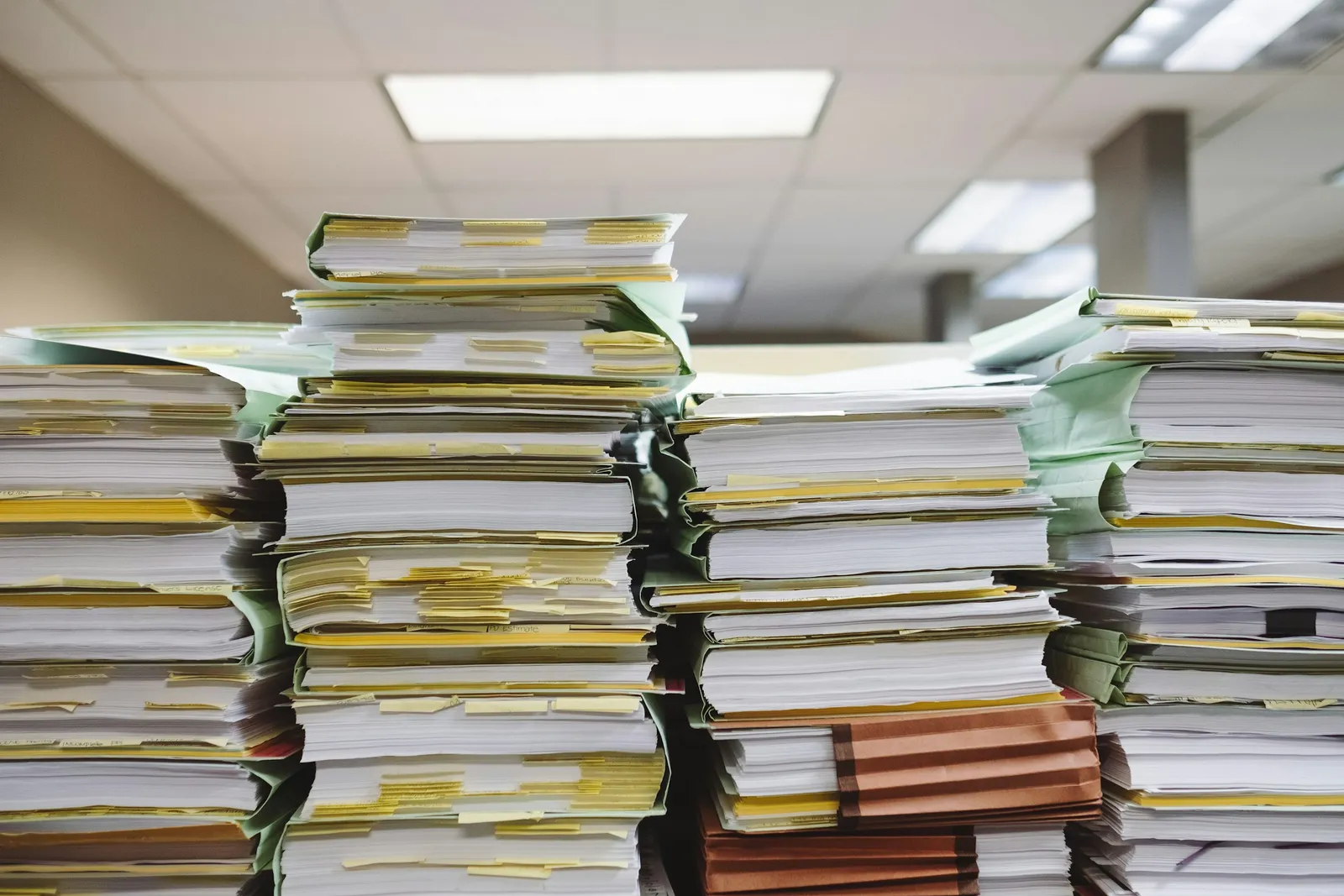
In many claim teams, the file of a marine claim sits in a mailbox, a shared drive and a spreadsheet. Claims management software keeps it in one place. This guide covers what such a tool should do for a marine claim and what to ask before you choose one.
What claims management software does in a marine claim
Claims management software holds the file of each claim: the documents, the correspondence, the parties, the dates and the status. In marine insurance and adjusting, that file is unusually large. A single cargo claim can hold the bill of lading, the mate's receipt, the statement of facts, the deck log, draft surveys, the survey report, the outturn report, invoices, photographs and months of letters with the carrier. Our guide on marine cargo claim documents lists them one by one.
Most teams already have some software. An insurer has a core claims system that records the policy, the reserve and the payments. Many firms have a document management system or a shared drive. The gap is often in between. Documents arrive by email and someone saves them by hand. What is in the file and what is still missing is tracked in a spreadsheet, or only the handler knows.
Why marine claims need more than a general claims system
- Many parties. Owners, charterers, agents, surveyors, P&I clubs, correspondents, brokers, adjusters and lawyers all send documents, each from their own mailbox.
- Many versions. Survey reports, repair quotations and claim calculations are revised. The earlier version often matters as much as the last one.
- Records that disagree. The statement of facts and the deck log can give different times for the same event. The file has to show both, each with its source.
- Several lines. Cargo, hull and machinery, P&I, general average and recovery each need a different document set.
- Time bars under different regimes. Hague-Visby, Hamburg, Rotterdam, the contract and national law can each set a different period. See our guide on time bars in cargo claims.
- Long claims. A claim can stay open for years, and the handler may change in between. The next person has to understand the file without asking.
What to look for: ten criteria
| Criterion | Why it matters in a marine claim | Question to ask |
|---|---|---|
| Intake from email and folders | Most documents arrive as attachments, some through portals or shared folders | Can it read my mailbox and our shared folders, or does someone upload every file by hand? |
| Filing to the right claim | One mailbox holds dozens of claims; references differ between parties | How does it match a mail to a claim: claim number, vessel, voyage, B/L number? |
| Every version kept | Revised surveys and quotations change the figures | If a survey report comes in a second time, do I still see the first one and what changed? |
| Source and page behind every figure | Every figure in a report or a letter has to be traceable | Click on a figure: does it open the document and the page it comes from? |
| Completeness by claim type | A cargo file and a hull file need different documents | Does it show what is missing for this type of claim, and can we adjust the list? |
| Time bars you confirm | The period depends on the contract and the law | Who enters the time bar date, and how am I reminded before it runs out? |
| Search and questions across the file | Handlers look for one fact in hundreds of pages | Can I ask for all invoices above a sum, or where two documents disagree, and see the source? |
| Sharing one record | Insurers, brokers and clubs ask for the same file | Can I send a file index with sources to another party, and who presses send? |
| Data location and access | Claim files hold personal and commercial data | Where is the data stored, who can see it, and is it used to train models? |
| Fit with what we already use | The core claims system stays in place | Can we export the file and its index, and does it work next to our claims system? |
Cargo claims software: what to check in particular
In a cargo claim, most disputes turn on how a few documents fit together: the bill of lading against the mate's receipt, the draft surveys at loading and discharge, the outturn report against the survey report. Software for cargo claims should let you put these side by side, each with its source and page. For a shortage, check that it can hold both draft surveys and the outturn figures. For wet damage, check that it can bring the deck log weather entries, the hatch times and the survey findings together.
Cargo claims also lead to recovery. After paying the claim, the insurer pursues the carrier through subrogation, often within a one-year time bar. The file then has to support a second claim against another party. Our guide on subrogation and recovery covers that step.
How to test a tool before you buy
- Pick a claim you have already closed, with the usual mix of mails, attachments and revisions. Remove or anonymise what you cannot share.
- Ask the vendor to build the file from that material, not from their own sample case.
- Check the document list against your own file. What did it find, what did it file wrongly, what did it miss?
- Pick three figures you know, for example a quantity, a time and an amount. Ask where each comes from and check the page.
- Feed in a revised document and see whether the earlier version stays visible.
- Ask how a time bar date is entered and who confirms it.
- Ask where the data is stored, who at the vendor can access it, and how you get it back if you stop.
Promises to question
- "The tool tells you who is liable." Liability depends on evidence, contract and law, and it is the professional's call. A tool can show where records disagree. It should not settle the question.
- "Never miss a time bar." No tool knows every contract term, extension or jurisdiction in your claim. Look for reminders on dates you have confirmed.
- Answers without a source. If a figure cannot be traced to a document and a page, you cannot use it in a report or a letter.
- Savings figures without a basis. Ask how a stated saving was measured, on which claims and by whom.
- Unclear data terms. If the vendor cannot say where your data is stored and who can see it, ask before you upload a real claim.
Check against your own process. These criteria are general. Which ones matter most depends on your role, your lines of business and the systems you already use. Data protection duties depend on the law that applies to you. Check them with your data protection officer.
FAQ
What is marine claims management software?
Software that holds the file of each marine claim, cargo, hull and machinery, P&I or other: the documents, their versions, the parties, the dates and what is still missing. Some tools also let you search the file and ask questions about it.
Do we need to replace our claims system?
Usually not. A core claims system records the policy, reserves and payments. A claim file tool works next to it and handles the documents. Ask any vendor how its tool fits with the system you already have.
Can AI decide a marine claim?
No. A tool can file documents, compare them and show where they disagree, with the source. Whether the carrier is liable, whether a loss is covered and what the claim is worth are decisions for the claims professional.
Is it worth it for a small team?
That depends on how much time your team spends collecting and checking documents. Count it on a few recent claims before you talk to vendors. Then test the tool on one of those claims.
This guide is written by Dossima, which builds the marine claim file from your inbox and folders, keeps every version, shows what is missing and answers questions with the source. The decision stays with you.
Sources
- EUR-Lex: General Data Protection Regulation (EU) 2016/679, Art. 28 (processors) and Chapter V (transfers)
- Carriage of Goods by Sea Act 1971, Schedule: the Hague-Visby Rules, Art. III r.6 (legislation.gov.uk)